By : Dr. Mazila Ghazali
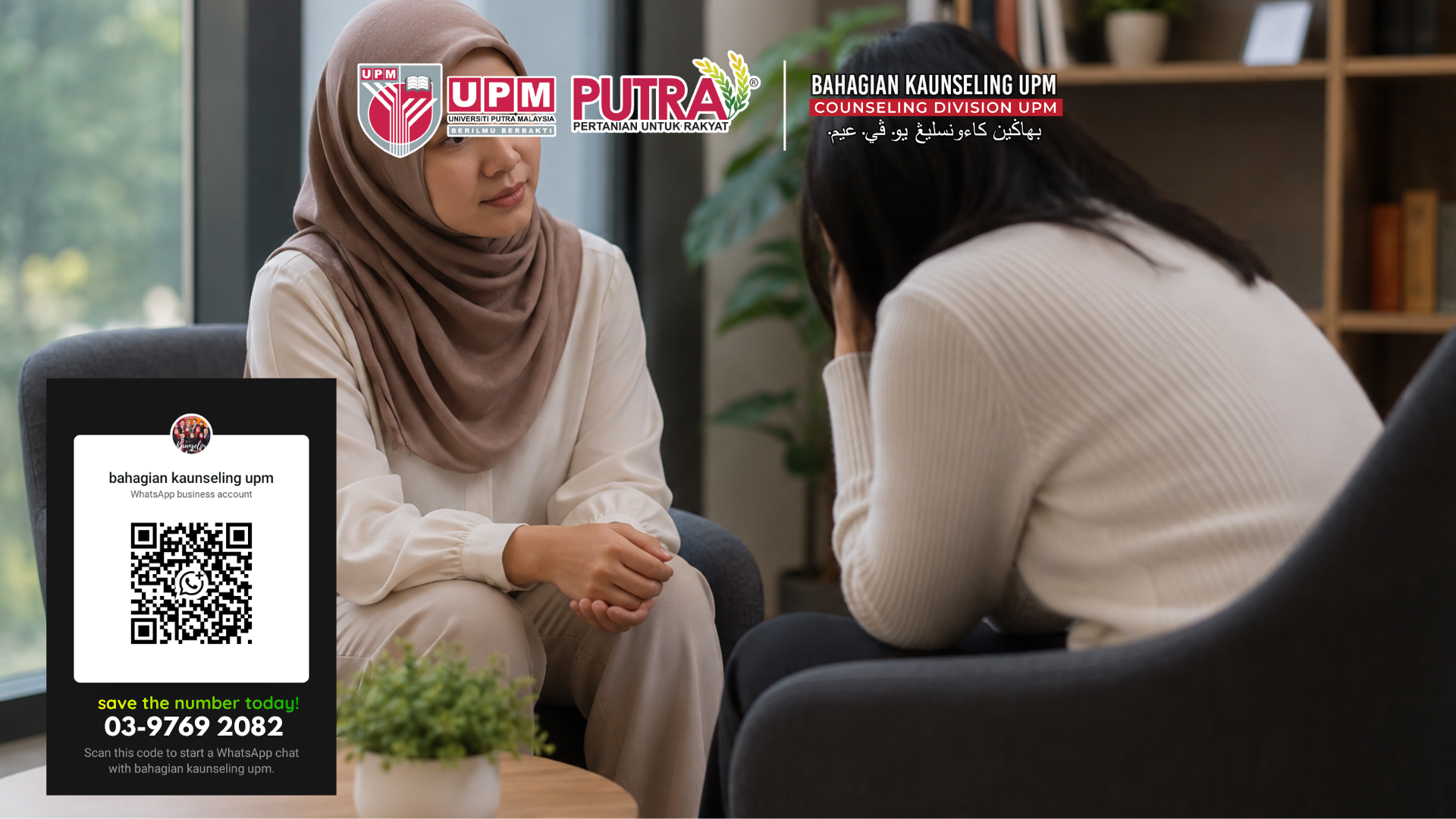
Role of Educators and Counsellors. Educators and counsellors play a pivotal role in addressing the complexities surrounding sexual harassment in educational settings. Their responsibility extends beyond delivering academic content; they foster a safe and supportive environment for all students. This role becomes increasingly critical in light of the various forms of sexual harassment that may occur in schools, ranging from in-person incidents to online harassment. By equipping themselves with knowledge about the signs of harassment and the various impacts it can have on mental health, educators and counsellors can effectively support students who may be facing these challenges.
Understanding the nuances of sexual harassment is essential for educators and counsellors. They must be well-versed in the legal definitions, policies, and institutional resources available to students. This knowledge enables them to recognize situations where harassment occurs and respond appropriately. Training programs focused on prevention and intervention can empower educators to identify early warning signs and to implement strategies that promote a culture of respect and safety. By proactively addressing the issue, they can help to mitigate the mental health consequences often associated with harassment, such as anxiety, depression, and decreased academic performance.
In addition to recognizing and responding to incidents of sexual harassment, educators and counsellors must also serve as advocates for students. This involves creating an open dialogue about the subject, encouraging students to report incidents without fear of retaliation, and providing them with resources for support. Counsellors, in particular, are in a unique position to offer emotional support and guidance, helping students navigate the psychological effects of harassment. This can include individual counselling sessions, group therapy, and workshops that focus on building resilience and self-esteem among affected students.
Moreover, educators and counsellors should collaborate with parents, community organizations, and mental health professionals to create a comprehensive approach to prevention and intervention. By fostering partnerships, they can enhance the resources available to students and ensure that the message of zero tolerance for harassment is echoed beyond the school environment. Engaging in community outreach and educational initiatives can also help to raise awareness about the impact of sexual harassment, thereby contributing to a broader cultural shift that prioritizes safety and respect.
It is undeniable that the role of educators and counsellors in combating sexual harassment is not limited to reactive measures; they also have a responsibility to instill values of empathy, respect, and equality within their students. Incorporating lessons on consent, healthy relationships, and the importance of reporting harassment into the curriculum can empower students to stand against such behaviours. By fostering an environment where students feel safe discussing these topics, educators, and counsellors can help to dismantle the stigma surrounding sexual harassment and encourage a proactive stance among students, ultimately contributing to a healthier school climate.
In addition, educators and counsellors must adopt a proactive approach in educating students about their rights and the importance of protection against sexual harassment. They should not only be able to identify the early signs of sexual harassment but also provide a more in-depth understanding of how to recognise and report inappropriate situations. Through comprehensive education, students will be better prepared to face potential threats and better equipped to protect themselves. Therefore, it is crucial for educators to offer dedicated sessions that focus on prevention, awareness, and stress management, particularly for students who may be involved in cases of sexual harassment.
Moreover, it is important to introduce various support strategies beyond individual counselling sessions. Educators and counsellors can offer group support programs where students who have experienced sexual harassment can share their experiences in a safer, supportive environment. Resilience-building workshops and empowerment sessions can be conducted to help students overcome trauma and rebuild the self-esteem that may have been affected by such incidents. These initiatives provide students with an opportunity to speak openly and seek appropriate solutions in dealing with the emotional impact of sexual harassment.
From an emotional support perspective, educators and counsellors should also take a broader educational approach to foster a school culture that is inclusive, respectful, and supportive. They must ensure that values such as gender equality, fairness, and respect for individuals are upheld in all aspects of school life. This includes paying attention to the language used in social interactions at school, promoting positive communication, and stopping any behaviour or language that may cause discomfort or harassment to others.
Another critical role that educators and counsellors must play is ensuring that each case of sexual harassment is treated seriously and without any form of discrimination or bias. They must ensure that the students who are victims of sexual harassment feel heard, supported, and protected throughout the investigation or follow-up process. Educators and counsellors must maintain confidentiality and professionalism in handling these cases to ensure that the victim does not feel exposed or judged.
Furthermore, educators and counsellors should not work in isolation when addressing sexual harassment. They need to collaborate closely with relevant authorities such as the police, women’s support agencies, and non-governmental organisations (NGOs) that provide assistance to victims of sexual harassment. This collaboration will ensure that students receive comprehensive support that encompasses psychological, legal, and social aspects.
Through this holistic and integrated approach, educators and counsellors can create a safer and more supportive environment within schools, thereby empowering students to take the right actions and act responsibly when faced with sexual harassment. By promoting empathy and shared responsibility among students, they contribute to the development of a generation that is more sensitive and accountable towards sensitive issues like sexual harassment, thus reducing unwanted incidents in the future.
Date of Input: 28/07/2026 | Updated: 28/07/2026 | ayna
MEDIA SHARING





.png)
.png)